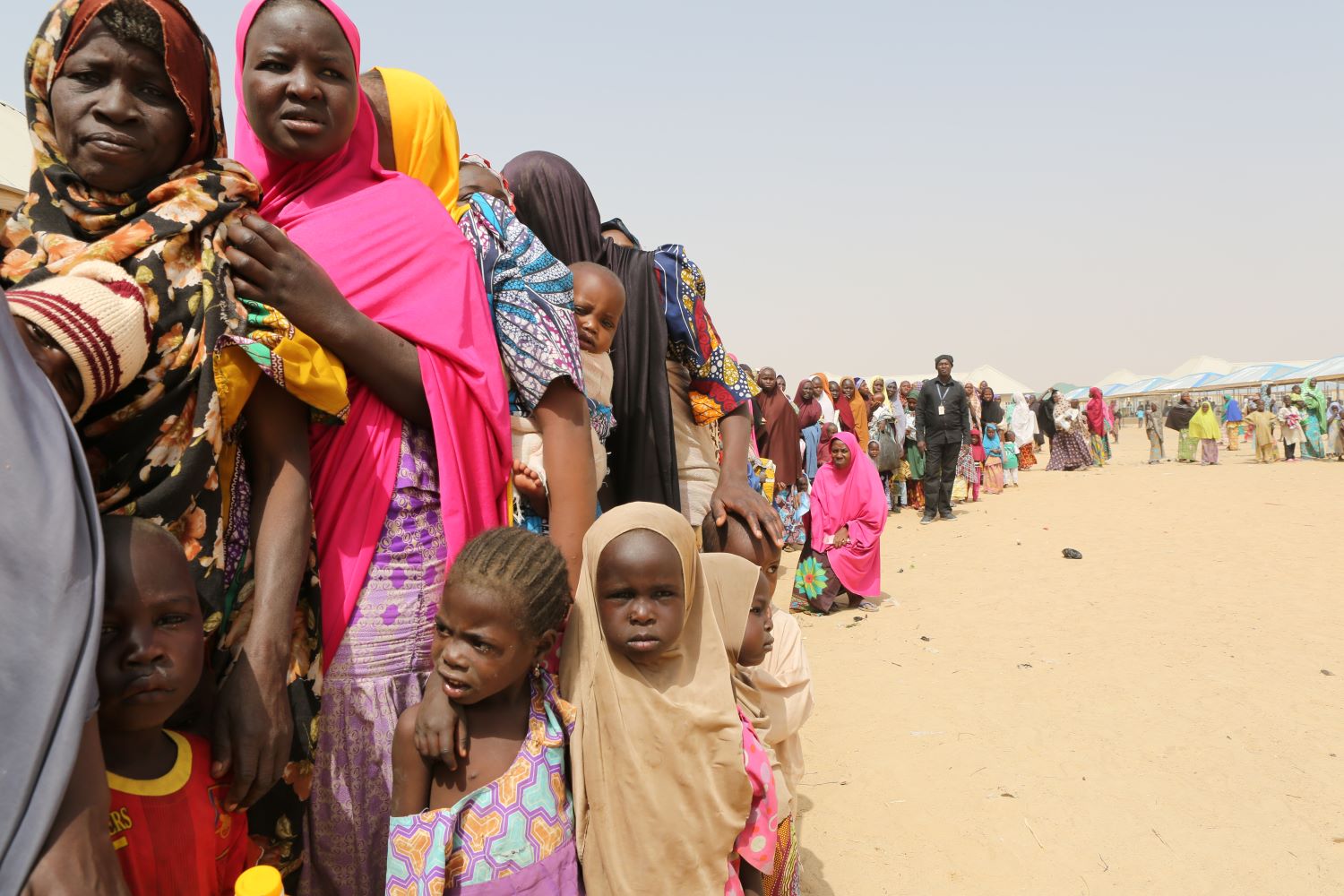
Several Nigerian women have narrated harrowing experiences of abuse, deception and exploitation after being lured to Egypt by sponsors who promised them better jobs and improved livelihoods. Instead of the breakthrough they hoped for, many found themselves trapped in harsh working conditions, subjected to physical violence, debt bondage and emotional trauma.
One of the victims, Motunrayo Joana, a Lagos-based mother of one, said she decided to travel to Egypt in November 2024 out of desperation after facing financial strain at home. Introduced to a Cairo-based sponsor through friends, she was assured of domestic work and steady income. However, upon arrival, she was made to sign an agreement binding her to work for nearly two years, during which most of her earnings were paid directly to the sponsor.
Joana explained that sponsors typically arrange visas, flights and accommodation, then place the women with Egyptian families as nannies or domestic workers. Salaries paid by employers are collected by the agents, who remit only a small portion to the workers. The women are often unable to open bank accounts due to their immigration status, leaving them completely dependent on the sponsors.
She said the reality of life in Egypt was brutal, marked by verbal abuse, beatings and constant financial pressure. Jobs were scarce, and she struggled to meet the high monthly remittances demanded by her sponsor, plunging her into debt. When she attempted to renegotiate her contract and return to Nigeria, her passport was seized, further restricting her freedom.
Another victim, Suliat, a single mother from Lagos, recounted a similar ordeal. Promised nanny work and a decent salary, she ended up doing strenuous labour such as washing cars and cleaning compounds. She said she was beaten, insulted and denied medical care when she fell ill, while her phone was confiscated to prevent contact with her family.
Suliat described living conditions in overcrowded sponsor-controlled houses, where women were routinely abused and poorly fed. She added that some victims, including pregnant women, were treated inhumanely, with little regard for their health or dignity.
A third victim, Faith, said she was beaten repeatedly and later sold from one sponsor to another. She explained that women were preferred by traffickers because they generated higher earnings than men, although Nigerian men were also trafficked and forced into menial jobs.
Experts and officials say such cases are part of a wider trafficking network that exploits economic hardship and unemployment in Nigeria. Data shows that North Africa has become a major destination for migrants, with women accounting for a significant proportion of those affected.
Reacting to the reports, the Nigerians in Diaspora Commission said it has repeatedly warned citizens against unsafe migration and urged Nigerians to inform embassies and authorities before travelling abroad. The National Agency for the Prohibition of Trafficking in Persons confirmed it is intensifying efforts to dismantle trafficking networks, revealing that dozens of victims were rescued and many traffickers prosecuted in 2025.
NAPTIP said it plans to scale up enforcement, awareness campaigns and international cooperation in 2026 to curb trafficking and protect vulnerable Nigerians. Legal experts, however, cautioned that while traffickers face severe penalties, adults who willingly enter illegal agreements may also bear legal responsibility, except in cases involving coercion or minors.
About the Author