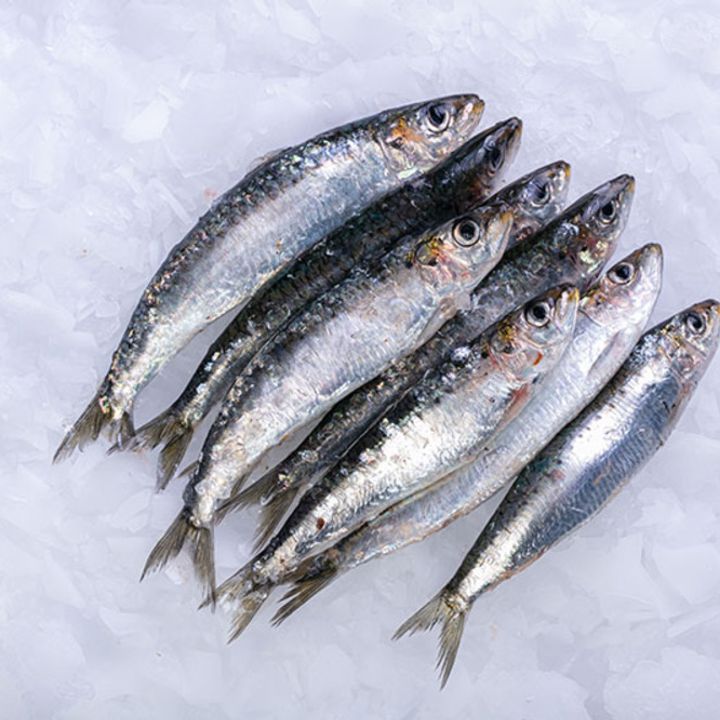
Several fresh sardines in ice at a fishmonger's
Morocco has announced that it will stop exporting frozen sardines starting February 1, a move aimed at protecting domestic supplies and keeping local fish prices stable. The decision was made by the government amid concerns over dwindling sardine stocks and rising costs for consumers.
Sardines are a staple source of protein in Morocco and the country is one of the world’s largest producers and exporters of the fish, especially frozen sardines destined for markets across Europe, West Africa and Asia. However, official data show that sardine landings have fallen sharply in recent years — dropping by about 46% from 2022 to 2024 — due to factors such as overfishing, environmental pressures and reduced catches, putting pressure on available supplies.
The export restriction, announced by Zakia Driouich, the Secretary of State in charge of Maritime Fisheries, was described as a temporary suspension, though no end date has been specified. Authorities say the measure is intended to ensure enough fish remains in local markets and to control rising prices, particularly with demand expected to grow during the period around Ramadan.
While the ban is intended to prioritise consumer needs and food security, some industry representatives have expressed concern that limiting exports could harm Morocco’s fishing and processing sector, which depends on foreign markets for significant revenue and employment.
The government has said it is also working on broader strategies to strengthen sustainable fisheries, regulate illegal practices, and improve local market infrastructure so that both consumers and the fishing industry can benefit in the long term.
About the Author